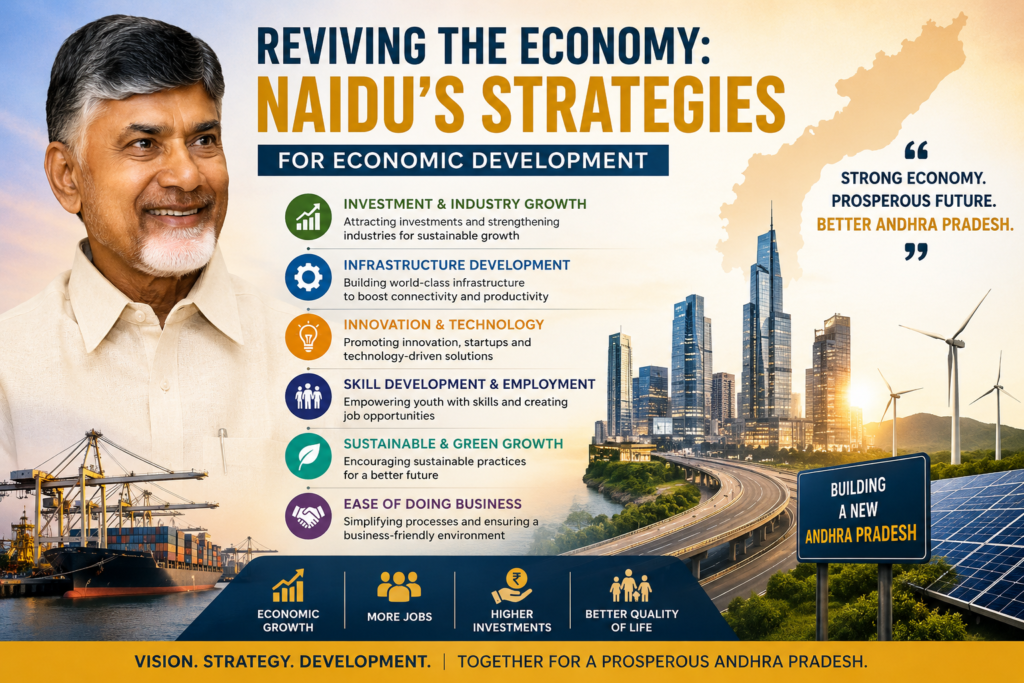
As you consider Naidu’s strategies for economic development, envision a landscape where innovative investment initiatives intersect with sectoral growth strategies, infrastructure development projects, and employment generation programs. The anticipation of sustainable development frameworks, technological advancement policies, and financial support schemes adds a layer of complexity to the discussion. What lies ahead is a deeper exploration of how these initiatives intertwine to shape the economic trajectory and foster inclusive growth in the region.
Innovative Investment Initiatives
Nara Chandrababu Naidu’s innovative investment initiatives have played a vital role in attracting foreign capital and fostering domestic entrepreneurship. By implementing entrepreneurship incentives and facilitating venture capital funding, Naidu’s administration has created an environment conducive to startup growth and innovation. Public-private partnerships have played an essential role in leveraging resources efficiently, allowing for the implementation of large-scale projects that benefit both the public and private sectors.
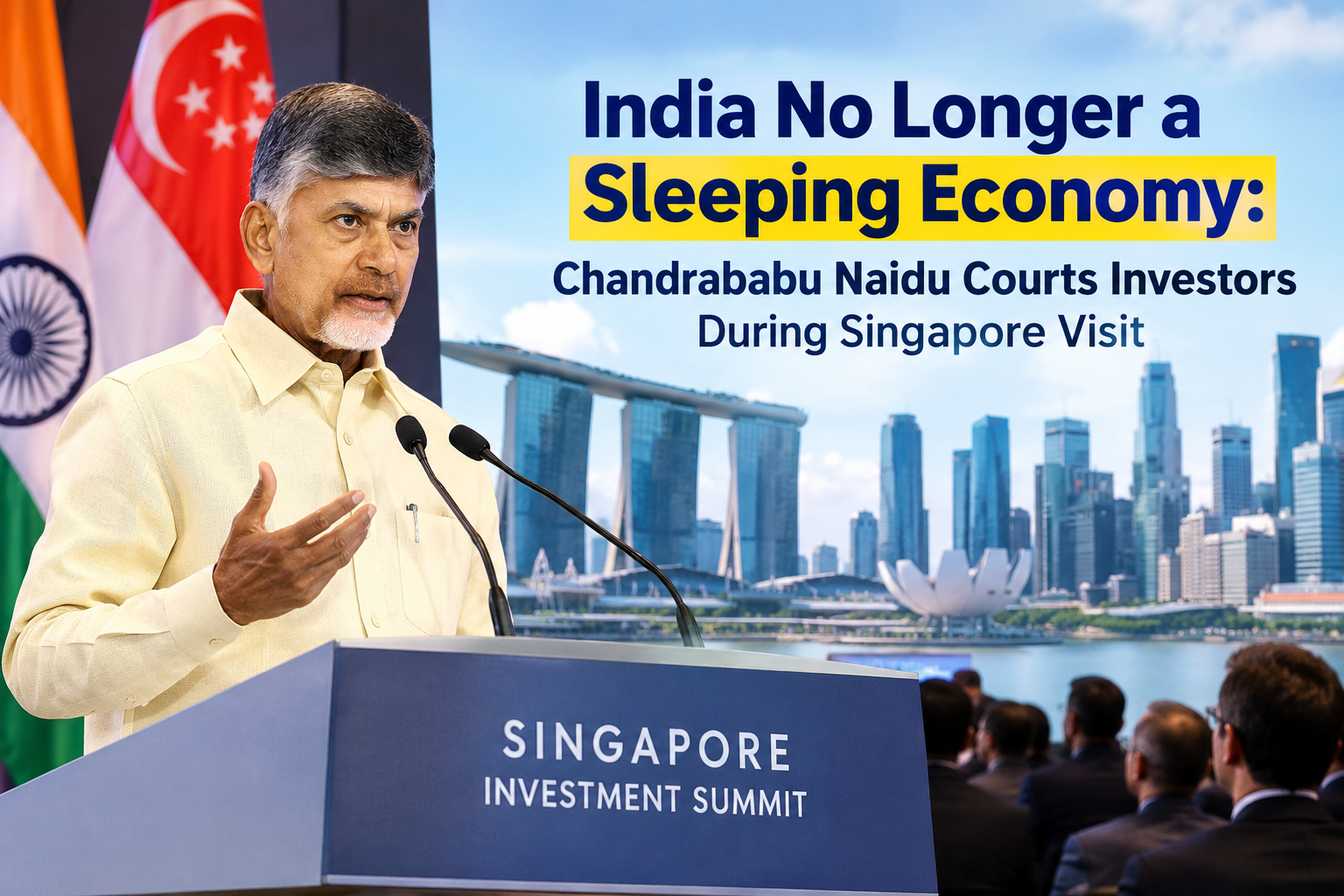
Foreign direct investment has also been a key focus, with Naidu actively seeking to attract capital from overseas to stimulate economic growth and create employment opportunities. By offering attractive incentives and establishing a business-friendly environment, Naidu has successfully drawn in foreign investors looking to capitalize on India’s growing market.
Sectoral Growth Strategies
Shifting from the domain of innovative investment initiatives, the focus now moves to examining the sectoral growth strategies employed under the leadership of Naidu for uplifting the economy. One key aspect of these strategies is agriculture expansion. Telugu Desam Party President Naidu’s administration has focused on modernizing agricultural practices, promoting technology adoption, and improving access to markets for farmers. This targeted approach has not only boosted agricultural productivity but has also enhanced the livelihoods of rural communities.
In addition to agriculture, manufacturing growth has been a focal point. By implementing policies to attract investments, streamline regulations, and enhance infrastructure, Naidu has successfully stimulated the growth of the manufacturing sector. This has led to the creation of job opportunities, increased industrial output, and a more diversified economy.
Through a combination of agriculture expansion and manufacturing growth strategies, Naidu has laid a solid foundation for sustainable economic development in the region. Moving forward, continued emphasis on these sectors will be crucial for driving further growth and prosperity.
Infrastructure Development Projects
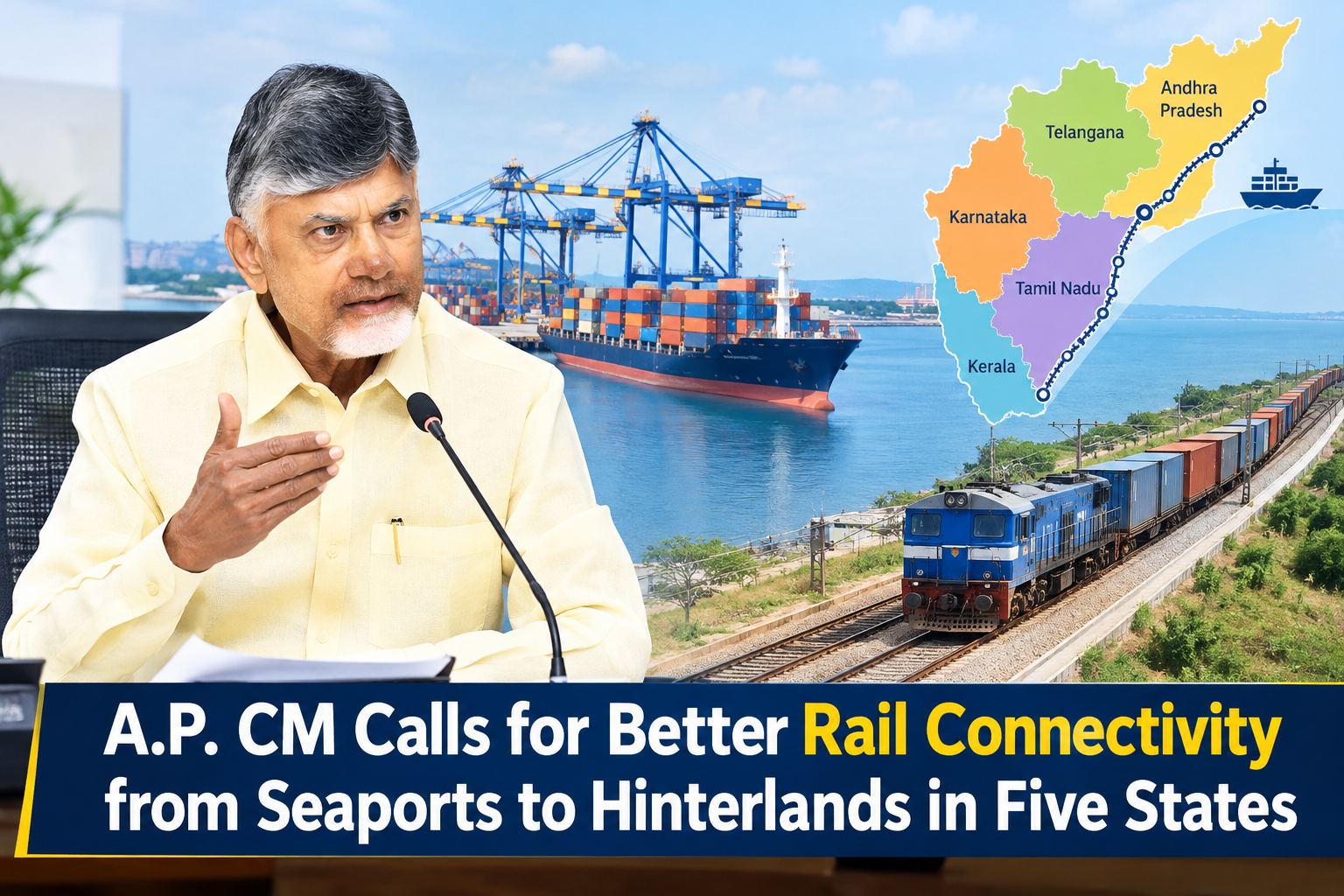
The implementation of large-scale infrastructure development projects has been a pivotal factor in driving economic growth and enhancing connectivity within the region under the leadership of Naidu. Public private partnerships (PPPs) have played an essential role in funding and executing these projects, leveraging the strengths of both sectors to accelerate development. Through strategic collaborations with private entities, Naidu’s administration has been able to initiate and complete infrastructure projects that would have otherwise faced funding constraints.
Urban renewal efforts have been a key focus, with projects aimed at revitalizing city centers, improving transportation networks, and upgrading essential services. These initiatives not only enhance the quality of life for residents but also attract investments and boost economic activity in urban areas. By modernizing infrastructure and creating sustainable urban spaces, Naidu has laid the foundation for long-term growth and prosperity in the region.
Employment Generation Programs
Amidst the infrastructure development projects, attention has turned to the effectiveness of employment generation programs under Nara Chandrababu Leadership in stimulating economic growth and fostering sustainable job creation in the region. Skill development initiatives have been a key focus, aiming to equip the workforce with the necessary tools to thrive in a rapidly evolving economy. By investing in upskilling and retraining programs, Naidu’s administration seeks to bridge the gap between job seekers and in-demand positions, consequently facilitating job creation.
Data indicates a positive correlation between the implementation of these skill development programs and increased job opportunities across various sectors. Through strategic partnerships with industries, vocational training centers, and educational institutions, Naidu’s government has been able to tailor these programs to meet the specific demands of the job market, ensuring a skilled workforce ready to drive economic growth.
Sustainable Development Framework
Consistently integrating sustainability principles into economic policies has been a hallmark of Naidu’s approach to fostering long-term development in the region. By prioritizing social inclusion and environmental sustainability, Naidu’s Sustainable Development Framework aims to create a holistic approach to economic growth.
In addressing social inclusion, Naidu’s policies focus on reducing inequality and promoting equal access to opportunities for all members of society. This involves implementing targeted programs to uplift marginalized communities and guarantee that economic development benefits reach everyone.
environmental sustainability is a core pillar of Naidu’s framework, with a strong emphasis on preserving natural resources and reducing carbon emissions. By promoting clean energy initiatives and enforcing strict environmental regulations, Naidu aims to create a greener and more sustainable economy for future generations.
Through the integration of social inclusion and environmental sustainability into economic policies, Naidu’s Sustainable Development Framework not only fosters economic growth but also ensures that this growth is equitable and environmentally conscious.
Technological Advancement Policies
In the domain of economic development, Naidu’s administration has strategically implemented technological advancement policies to propel innovation and competitiveness within the region. Embracing digital transformation has been a key focus, leading to increased efficiency and productivity across various sectors. By leveraging automation solutions, businesses have been able to streamline processes, reduce operational costs, and enhance overall performance.
Through the implementation of advanced technologies, such as artificial intelligence and Internet of Things (IoT), the region has witnessed a significant shift towards a more interconnected and data-driven economy. This shift has not only fostered innovation but has also enabled businesses to adapt to rapidly changing market demands.
the emphasis on technological advancement has positioned the region as a hub for cutting-edge research and development, attracting skilled professionals and fostering a culture of continuous learning and growth. Naidu’s commitment to advancing technological capabilities underscores the region’s dedication to remaining at the forefront of innovation and global competitiveness.
Trade and Export Promotion Measures
Given the strong foundation laid by the technological advancement policies, the region under Naidu’s administration has strategically implemented trade and export promotion measures to further boost economic growth and competitiveness. Export incentives have been introduced to encourage businesses to expand their reach into international markets. These incentives can take various forms, such as tax breaks, subsidies, or assistance with market research. By providing these incentives, the government aims to stimulate export activities, increase foreign exchange earnings, and create more job opportunities.
trade agreements have played a significant role in enhancing the region’s trade relations with other countries. These agreements facilitate smoother trade processes, reduce tariffs, and provide a more conducive environment for businesses to engage in international trade. By actively participating in trade agreements, the region can access new markets, attract foreign investments, and improve overall economic performance. Naidu’s administration recognizes the importance of fostering strong trade relationships and continues to work towards creating a favorable environment for businesses to thrive in the global market.
Financial Support Schemes
The implementation of various financial support schemes has been pivotal in bolstering the economic landscape under Naidu’s administration. These schemes have not only provided funding opportunities but have also played a significant role in promoting economic empowerment within the region. By offering financial support to businesses and entrepreneurs, these initiatives have stimulated growth and innovation across various sectors.
Through strategic allocation of funds and resources, Naidu’s government has been able to create a conducive environment for economic development. The financial support schemes have encouraged entrepreneurship, leading to the establishment of new businesses and the expansion of existing ones. This, in turn, has contributed to job creation and overall economic prosperity.
these schemes have been instrumental in fostering a culture of innovation and competitiveness. By providing the necessary financial backing, individuals and businesses have been empowered to take risks, explore new opportunities, and drive economic growth. The success of these financial support schemes highlights their essential role in propelling the region towards sustainable economic advancement.