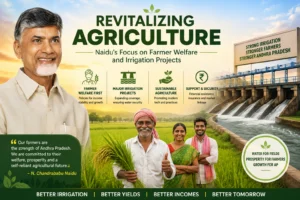
Efficient irrigation infrastructure plays a pivotal role in enhancing agricultural productivity and ensuring water resource sustainability. To modernize irrigation practices, incorporating smart irrigation technologies is essential. Smart irrigation systems utilize sensors and data analytics to optimize water usage, reducing waste and improving crop yield. These systems enable farmers to monitor soil moisture levels, weather forecasts, and crop water requirements in real-time, allowing for precise irrigation scheduling.
In addition to smart irrigation, precision farming techniques are transforming traditional agriculture. Precision farming involves using GPS technology, drones, and automated machinery to tailor farming practices to specific field conditions. By analyzing data on soil composition, moisture levels, and crop health, farmers can make informed decisions to optimize resource allocation and maximize productivity.
Investing in modern irrigation infrastructure, such as smart irrigation systems and precision farming technologies, is vital for sustainable agriculture. These innovations not only increase efficiency but also contribute to water conservation efforts and long-term environmental sustainability. Embracing these advancements can revolutionize farming practices, leading to greater yields and profitability.
Investment in Agricultural Technology
With a strategic focus on enhancing agricultural productivity, investing in cutting-edge agricultural technology is imperative for sustainable growth in the farming sector. Embracing digital farming solutions and precision agriculture techniques can revolutionize traditional farming practices, leading to increased efficiency and higher yields. Agri tech startups are at the forefront of innovation, offering smart farming techniques that integrate data analytics, IoT devices, and artificial intelligence to optimize crop management and resource utilization.
These advancements empower farmers to make informed decisions based on real-time data, enabling them to monitor and adjust various parameters like soil moisture levels, pest infestations, and crop health with precision. By adopting these technologies, farmers can reduce waste, minimize environmental impact, and enhance overall profitability. the integration of smart farming techniques not only boosts productivity but also promotes sustainable agriculture practices for the long-term benefit of both farmers and the environment. Embracing agricultural technology is not just a choice but a necessity in today’s rapidly evolving farming landscape.